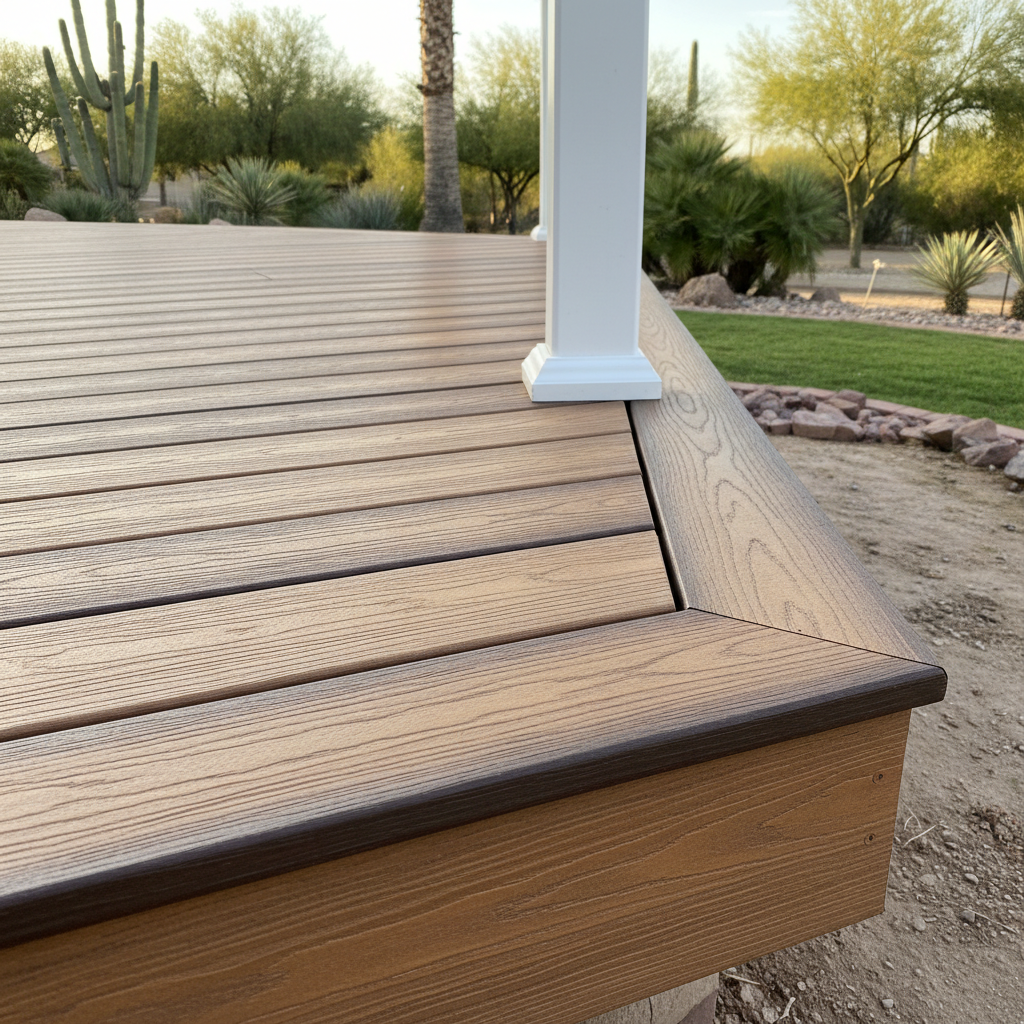
So, you're looking at a Trex deck for your place, huh? That's a smart move, especially here in Glendale. Those composite boards really stand up to our brutal summers way better than traditional wood, and honestly, they're a lot less work down the road. But hold on before you grab that hammer. Let's really talk about what you're getting yourself into. There's plenty you can tackle on your own, but then there are those times you absolutely need to call in the pros. I've seen it all, working on decks around here for years, and I'm going to tell you how it actually works.
Before You Start: Planning & Permits
First things first, you can't just start building. You need a plan. Sketch out exactly what you want: how big, how high, where the stairs will go. Really think about how you'll use the space. Is it for grilling? Maybe a hot tub? Or just a quiet spot for your morning coffee? These details matter a lot because they'll tell you what size you need, how much weight it has to hold, and even which type of Trex boards you should pick. They've got different lines, you know — some are tougher, some look more like exotic wood. Do your homework on their website.
Now, for the big one: permits. You absolutely, positively have to check with the City of Glendale's planning department. For pretty much any deck project, especially if it's raised or attached to your house, you're going to need one. Don't skip this step. I've seen homeowners get hit with fines, or even worse, have to tear down a perfectly good deck just because they didn't get the right approvals. It's a pain, I know, but it's not something you can negotiate. You can usually pull the permit yourself if you're doing the work, but if you hire Glendale Custom Decks, we handle all that paperwork for you. One less headache, right?
During the Build: DIY vs. Pro
Alright, you've got your plan, you've got your permit. Now for the actual building. This is where you really need to be honest with yourself about your skills.
- Demolition: If you're replacing an old deck, tearing it down is usually pretty straightforward. Grab a pry bar, a saw, and a buddy. Just be careful with nails, and make sure you're not messing with any structural parts of your house.
- Footings & Framing: This is where things get serious. Here in Glendale, our soil can be tricky — sometimes it's really rocky, other times it's super sandy. You need solid footings that go deep enough and are properly sized for the deck's weight. This isn't just about digging a hole; it's about proper concrete work and making sure everything is perfectly level and square. If your frame isn't perfectly square and level, your Trex boards won't lay right, and you'll end up with gaps and a lot of frustration. This is often where I tell folks to call in a pro. A tiny mistake here can compromise the entire deck's strength and safety.
- Installing Trex Boards: This part is more DIY-friendly, assuming your frame is perfect. Trex boards are heavy, but they cut just like wood. You'll need specific fasteners – don't just use any old screws. Trex offers hidden fastening systems that give a really clean look, but they do take a bit of practice to get right. Read those instructions carefully. If you're comfortable with a miter saw and a drill, you can probably handle this.
- Railings & Stairs: Again, you can do this yourself, but it demands precision. Railings need to be sturdy and meet code requirements for height and spacing. Stairs need to be consistent in their rise and run. These are safety features, so don't cut any corners.
My honest advice? If you're not confident in your framing and footing skills, hire a professional. That's the foundation of your entire deck, after all. You can save money by doing the demo yourself or even installing the deck boards if you're handy, but get the structure right.
After the Project: Enjoyment & Maintenance
So, the deck's built, and it looks great. Now what? The beauty of Trex is that it's low maintenance, but