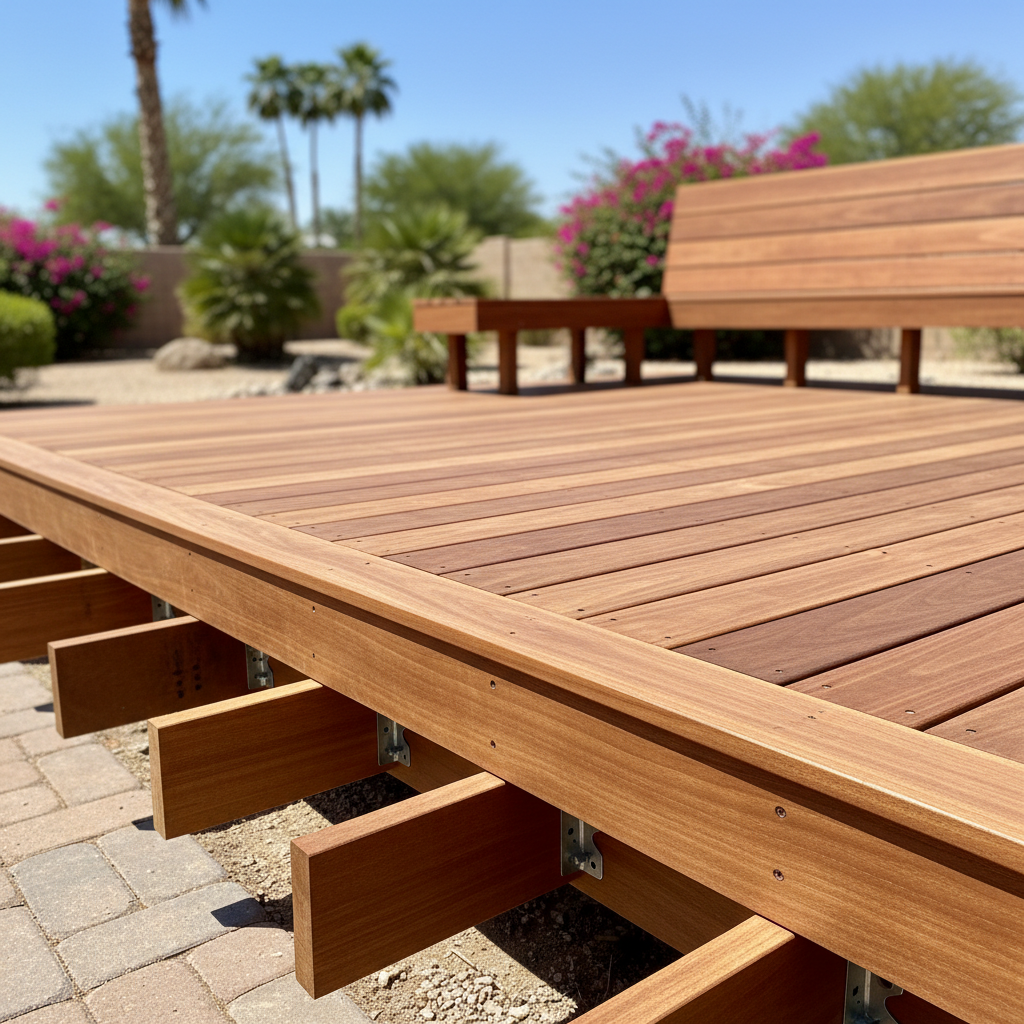
So, you're thinking about adding a deck to your place here in Glendale. That's a great idea, especially with our fantastic weather. But before you start sketching plans or buying lumber, let's get real about what goes into building a deck, what you can realistically do yourself, and when it's just smarter – and safer – to bring in a professional.
Before You Even Start: The Planning & Permitting Maze
You can't just slap a deck down in your backyard. Trust me, I've seen folks try, and it never ends well. The first thing you need to do is plan. What size deck? What shape? What materials? Think about how you’ll use it. Will it be for grilling, entertaining, or just a quiet spot for coffee?
Then comes the big one: permits. This isn't optional. Here in Glendale, any structure over a certain size – and a deck definitely counts – needs a permit from the city. This involves submitting plans, getting them reviewed, and passing inspections. This is where a lot of DIYers get stuck. The paperwork can be a headache, and understanding building codes isn't exactly light reading. If your plans aren't up to snuff, you'll be told to revise them, which costs time and can be frustrating.
Can you do this yourself? Absolutely. You can download forms, draw up plans, and submit them. But it takes patience and a willingness to learn the local codes inside and out. If you're not comfortable with technical drawings or navigating city hall, this is a good spot to consider getting help. A good contractor, like us at Glendale Custom Decks, handles all this permit stuff daily. We know the Glendale building department's requirements like the back of our hand, which saves you a ton of hassle.
Foundation & Framing: Where DIY Gets Tricky
Alright, plans are approved, permit's in hand. Now for the actual building. The foundation is critical. You're digging post holes, pouring concrete footings, and making sure everything is level and plumb. This isn't just about looking good; it's about safety and longevity. Our desert soil here in Glendale can be tricky – sometimes it's hard as a rock, other times it's loose and sandy. You need to make sure your footings are deep enough and properly sized to support the deck's weight and withstand any ground movement.
After the footings, it's framing. This is where you're putting up the posts, beams, and joists. This requires precision. Every cut needs to be accurate, every connection strong. If your frame isn't square and level, your deck will look wonky, and it won't be as strong as it should be. This is where structural integrity comes into play, and frankly, it's not a place to cut corners. A mistake here can lead to a bouncy deck, or worse, a dangerous one.
Can you DIY this? Yes, if you have significant carpentry experience, the right tools (saws, levels, drills, post-hole diggers, concrete mixers), and a strong understanding of structural engineering principles. If you've never framed anything before, this is probably the biggest hurdle for a DIYer. This is where I'd strongly recommend bringing in a pro. We've got the specialized tools, the experience, and the crew to get this done right, quickly, and safely.
Decking & Railings: Where You Can Shine
Once the foundation and framing are solid, you get to the fun part: laying the decking and installing railings. This is where your deck really starts to take shape and where you can add your personal touch.
Laying the decking boards? That's definitely something many homeowners can tackle. It involves cutting boards to length, spacing them correctly, and fastening them down. Whether you choose traditional wood, composite, or PVC, the process is similar. It's repetitive, but satisfying work. Just make sure you're using the right fasteners for your material and that you're consistent with your spacing.
Railings are a bit more involved, but still within reach for a determined DIYer. You've got posts, top and bottom rails, and then your infill – balusters, cables, glass panels, whatever you choose. The key here is to make sure your railings meet code for height and spacing. You don't want a gap wide enough for a kid to slip through, and you want them sturdy enough to lean on.
So, for decking and railings, you can absolutely do a lot of this yourself. It's labor-intensive, and you'll need good tools, but it's less about structural engineering and more about careful craftsmanship. If you're handy and have the time, this is where you can save some money on labor costs.
Finishing Touches & Maintenance
Once the deck is built, you'll want to think about finishes. If you went with wood, you'll need to seal or stain it to protect it from our intense Arizona sun. That sun can really do a number on untreated wood, causing it to crack and splinter fast. This is a straightforward DIY job – just make sure you prep the surface properly and apply the finish evenly.
Maintenance is ongoing. Keeping your deck clean, checking for loose fasteners, and re-applying sealants are all things you can easily do yourself. Regular inspection, especially after our monsoon storms, is a good habit to get into. Look for any signs of wear, rot, or insect damage.
The Bottom Line
Building a deck isn't a small undertaking. While you can certainly do parts of it yourself – especially the finishing work – the foundation, framing, and permitting are areas where professional expertise really pays off. It ensures your deck is safe, up to code, and built to last through many Glendale summers. If you're ever in doubt, or if you just want the peace of mind that comes with a professionally built deck, give us a call at Glendale Custom Decks. We're always happy to chat about your project and help you figure out the best path forward.